


When the taps run dry and the power is out, you cannot count on a resupply or on outside help for days. The water system is down, stores are closed or empty, and your household must live on what is inside the walls and on the property. This guide covers the first 72 hours under that total shutdown: conserve what you have, find the hidden reserves, and make every other source safe. It pairs with the 3-Day Power Outage Guide.
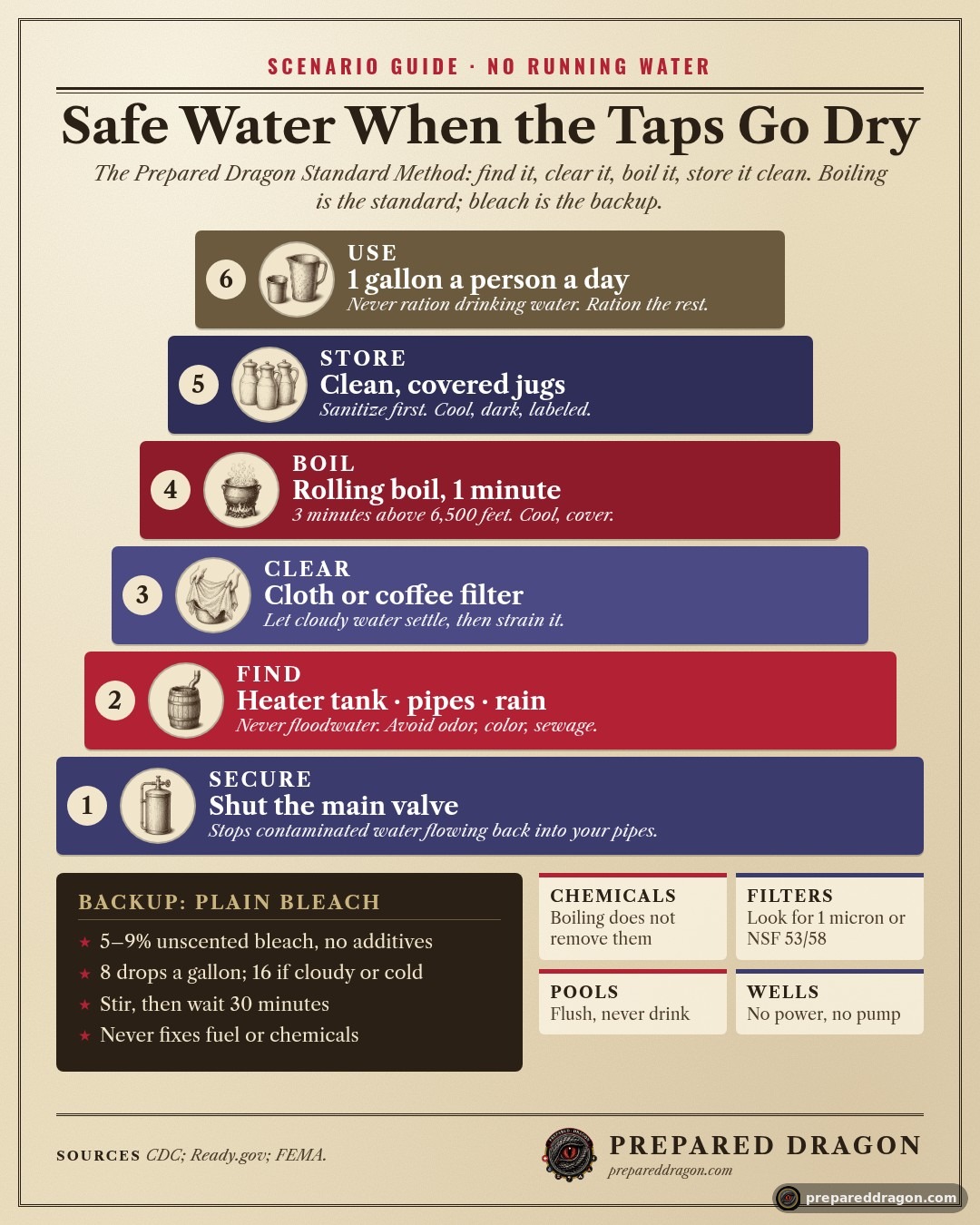
What to Do Right Now
- Turn off the main water valve to the house so contaminated water cannot flow back in.
- Stop using water for anything that is not essential. Do not flush for routine use.
- Fill every clean container you can find with drinking water, including pots, pitchers and bottles.
- Fill the bathtub if it is clean, and keep that water for washing and flushing only.
- Collect ice cubes from every freezer.
- Count the people in your household and the containers you have filled.
- Do not drink from the tap, the toilet bowl, a pool, or any radiator or boiler.
The First Hour
Find every source of water already inside your home before any of it is used up. Start with the water heater tank. Turn off the power or gas to the unit, close the cold-water inlet valve, open a hot-water faucet somewhere in the house to let air in, then drain from the valve at the bottom of the tank. Many tanks hold dozens of gallons.
Next, the pipes. With the main valve already shut, open the highest faucet in the house and drain from the lowest one. This gives you the water still sitting in the lines.
The toilet tank (not the bowl) holds clean water if you do not use cleaning tablets. Use it for flushing and washing. Drink it only after treating it. Never use water from radiators or boilers that are part of a home heating system for drinking, cooking or hygiene. CDC warns it can make you sick. Cover and label every container as you fill it.
- Turn off power or gas to the water heater and close its cold-water inlet.
- Open a hot faucet to let air in, then drain from the bottom valve.
- Open the highest faucet and drain from the lowest to collect pipe water.
- Check the toilet tank for usable water if no cleaning chemicals are in it.
- Collect ice cubes from all freezers.
- Cover and label every container of water.
The First Day
Daily Water Requirement
You need at least one gallon of water per person per day for drinking and sanitation. Use more in hot weather or for children, nursing mothers, and sick people. Never ration drinking water. Drink what you need today and locate more for tomorrow.
Sources of Water
| Source | Safe to drink? | Use for |
|---|---|---|
| Water heater tank | Yes. Strain if cloudy. | Drinking, cooking, hygiene |
| Water in house pipes | Yes, if you shut the main valve first | Drinking, cooking, hygiene |
| Toilet tank (not the bowl) | Only after treating, and only if no cleaning chemicals | Flushing, washing |
| Rain, stream, pond, lake, spring | Only after clearing and treating | Drinking after treatment, hygiene |
| Pool or spa | No | Flushing only |
| Radiator or boiler water | No | Nothing |
| Floodwater | No | Nothing |
Evaluating a Water Source
Avoid water with floating material, dark color or odor. Skip sources near sewage, animal waste or dead animals. All outdoor water must be treated before you use it. Tomorrow you will treat water with the Standard Method below.
Warning: Boiling and bleach do not remove fuel or toxic chemicals. If you know or suspect water has fuel or chemicals in it, use a different source.
Treatment Basics
Let cloudy water settle and pour it through a clean cloth or coffee filter. Then boil it. Tomorrow’s section has the full method and the bleach table, so do the clearing step today and store the cleared water covered.
The Second Day
On the second day you focus on turning available water into safe drinking water. Use the Prepared Dragon Standard Method every time: clear first, then treat. This order removes particles that can hide germs and improves how well the treatment works.
Step 1: Clear it
Let cloudy water sit in a clean container so sediment settles to the bottom. Pour the clearer water off the top through a clean cloth, paper towel, or coffee filter into a second clean container. Repeat if needed until the water looks clearer. This step prepares the water for boiling or chemical treatment.
Step 2: Boil it (standard method)
Bring the cleared water to a full rolling boil. Keep it at a rolling boil for one minute. At elevations above 6,500 feet, boil for three minutes. Let the water cool naturally. Pour it into clean, sanitized containers with tight lids. To improve the flat taste, pour the water back and forth between two clean containers several times. Boiling kills bacteria, viruses and parasites.
Step 3: If you cannot boil, use plain unscented bleach
Use only plain unscented household liquid chlorine bleach that lists sodium hypochlorite on the label and contains no added cleaners or scents. Follow these amounts for 5%-9% bleach:
| Water | Clear water | Cloudy, colored or very cold |
|---|---|---|
| 1 quart | 2 drops | 4 drops |
| 1 gallon | 8 drops | 16 drops |
| 5 gallons | 40 drops | 80 drops |
Stir the water well. Let it stand at least 30 minutes before drinking. The water should have a slight chlorine smell. If it does not, add the same amount again and wait another 15 minutes. CDC also lists iodine or chlorine dioxide tablets; follow the label instructions. These options are less effective against Cryptosporidium and Giardia than boiling or bleach.
About filters
A portable filter can remove Cryptosporidium and Giardia when it has an absolute pore size of 1 micron or smaller or carries NSF standard 53 or 58 certification. Always filter first, then boil or disinfect. Filters do not remove viruses or chemicals unless the label states otherwise.
Warning: Water containing fuel or toxic chemicals cannot be made safe by boiling or bleach. Use another source.
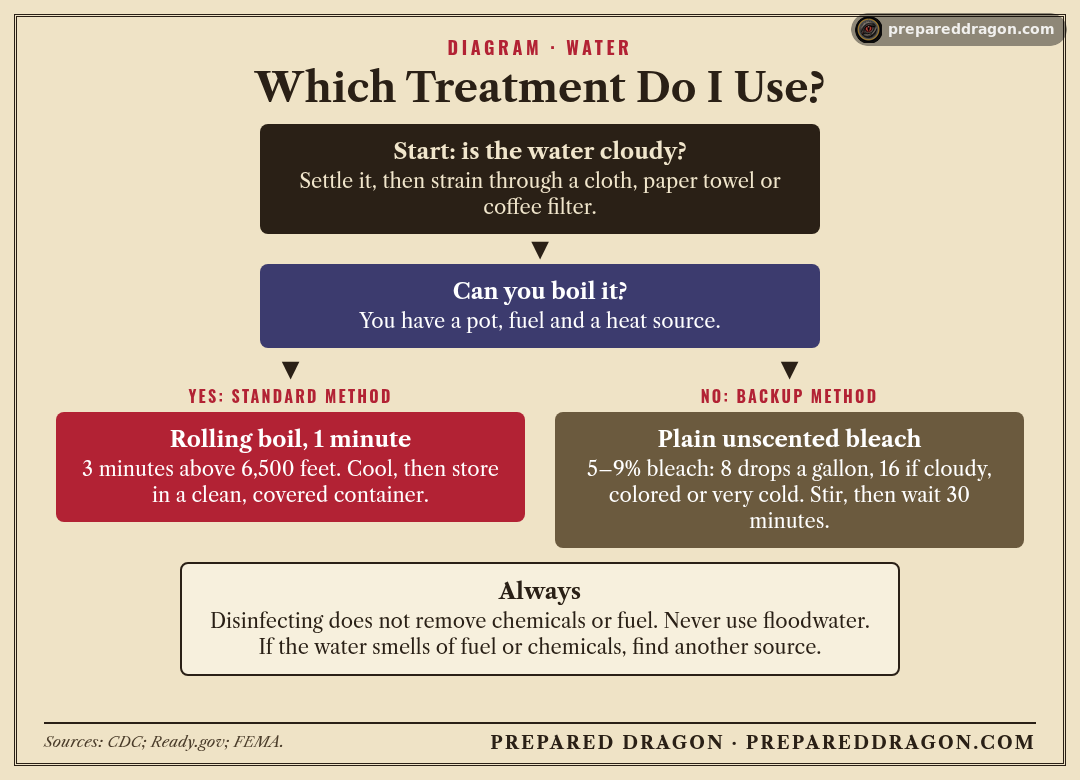
Prepared Dragon Standard Method: Clear, Boil, Then Bleach
Clear the water, boil it for one minute (three minutes above 6,500 feet), and use plain unscented bleach only when you cannot boil. This is the CDC method. Where sources disagree, we choose the safest proven method. Older field manuals and some outdoor books allow shorter boil times or lean on iodine tablets, and some bleach charts give different drop counts. We follow CDC: one-minute rolling boil, and the 5 to 9 percent bleach table above.
Week 1 (and Beyond)
Continue storing treated water in clean food-grade containers. Clean containers with soap, rinse, then sanitize with a solution of one teaspoon of unscented household bleach per quart of water. Label and date each container. Keep stored water in a cool, dark place away from gasoline and chemicals. Replace stored water every six months.
Use soap and treated water for hand washing. Switch to a 60 percent alcohol sanitizer when you cannot wash. Watch for signs of dehydration and diarrheal illness, especially in children and older adults. These conditions can worsen quickly without enough fluids.
Private Wells and Rural Texas
A well pump needs electricity. With no power you have no tap water unless you have a hand pump or a generator that is run outdoors and kept more than 20 feet from the house. If a flood covered your well, do not drink the water until the well has been disinfected and tested. Rain, streams and springs remain options, but treat them first with the Standard Method.
Texas heat raises water needs fast. In summer drink more and keep your family cool. For storage planning see Water Storage Basics.
Move to a safer location only when you have treated water and a clear route. Look to local officials, by radio, for water distribution points and shelters.
Prep Ahead Checklist
- Store treated water in food-grade containers.
- Keep a pot and fuel for boiling water.
- Stock unscented household bleach with a labeled dropper.
- Save coffee filters or clean cloth for straining.
- Choose a portable filter certified to remove Cryptosporidium and Giardia.
- Prepare extra food-grade containers for storage.
- Know where your main shutoff and water heater drain valve are before you need them.
- Set up a way to collect and store rainwater.
- Keep a hand-crank or battery radio for updates.
- Label and rotate water supplies on schedule.
- Store soap and alcohol sanitizer for hygiene.
- Learn the steps to treat outdoor water sources.
Frequently Asked Questions
How long do I boil?
Bring water to a full rolling boil for one minute. At elevations above 6,500 feet, boil for three minutes. Let the water cool, then store it in clean containers with tight covers.
Can I drink pool water?
Pool and spa water is not for drinking. Use it only for flushing toilets.
Do filters make water safe by themselves?
Most filters do not remove viruses. Filter first, then boil or disinfect the water.
Should I ration?
Never ration drinking water. Drink what you need today and find more for tomorrow. Ration other uses of water instead.
Prep Ahead: Gear for This Guide
Buy and test these before the taps go dry.
Coleman 5-Gallon Water Container with Spigot
A sturdy, food-grade 5-gallon water jug with a spigot and carry handle for the home stockpile or the truck. The planning rule is at least 1 gallon per person per…
See price at Amazon
WaterBrick 3.5 Gallon Water Storage Container
A stackable WaterBrick container for storing water, sold through Survival Frog.
See price at Amazon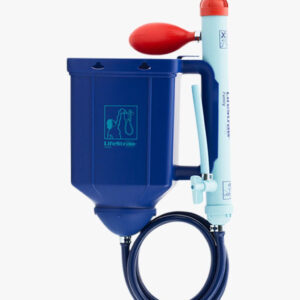
LifeStraw Family / Community Gravity Filter
Larger gravity-fed filter for home and camp. Fill the top, let gravity do the work, and supply a whole household.
See price at Amazon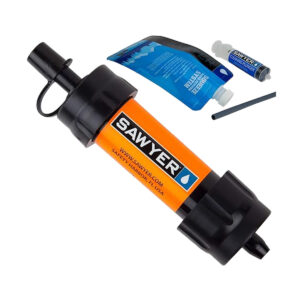
Sawyer MINI Water Filter
A compact hollow-fiber personal water filter for hiking, travel and emergency use. Follow Sawyer's official ratings and care instructions.
See price at Amazon
Big Berkey Gravity Water Filter System, 2.25 Gallon
A 2.25-gallon stainless steel gravity water filter with two Black Berkey elements. The retailer does not ship this system to California or Iowa.
See price at Amazon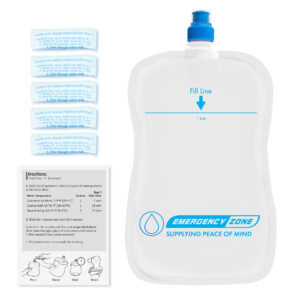
Potable Aqua Water Purification Tablets, 50-Count
Compact backup to your filter. Treats water when filters clog or you need to stretch your supply.
See price at Amazon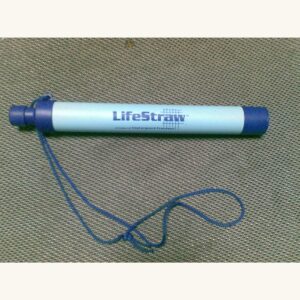
LifeStraw Personal Water Filter
The pocket straw filter we keep in go-bags and vehicles. Drink straight from a stream, lake or questionable tap.
See price at Amazon- Emergency Water Kit: stored water and purification in one kit
- Coleman 5-Gallon Water Container with Spigot: simple stored-water container
- WaterBrick 3.5 Gallon Water Storage Container: stackable, food-grade storage
- LifeStraw Family / Community Gravity Filter: no-power filter for a household
- Sawyer MINI Water Filter: pocket filter for a go-bag
- Big Berkey Gravity Water Filter System: large gravity filter for families
- Potable Aqua Water Purification Tablets, 50-Count: a lightweight backup (CDC lists tablets as less effective against Cryptosporidium than boiling)
More: Survival Guides & Books in the Prepared Dragon shop. Some links on this page are affiliate links.
Sources
- CDC, How to Make Water Safe in an Emergency
- Ready.gov / FEMA, Water
- Ready.gov / FEMA, Build a Kit
- US Army, FM 21-76 Survival (public domain), water procurement chapter.
- Boy Scouts of America, Scouting handbook water chapters (paraphrased, not quoted).