


Quick take
- The floor is one gallon of water per person per day, for drinking and sanitation, with more for pets, hot weather or medical needs.
- Store it in food-grade containers, keep it cool and dark, and rotate it on a schedule.
- The guide also covers how to treat water safely when the taps fail.
You can last weeks without food. You cannot last long without clean water. Store it before you need it.
How much
Ready.gov says to store at least one gallon per person per day for several days, for drinking and sanitation. A normally active person needs about three quarters of a gallon of fluid a day. Children, nursing mothers, sick people and anyone in hot weather need more. In very hot temperatures, needs can double.
| Household | 3 days | 2 weeks |
|---|---|---|
| 1 person | 3 gal | 14 gal |
| 2 people | 6 gal | 28 gal |
| 4 people | 12 gal | 56 gal |
| 6 people | 18 gal | 84 gal |
How to store it
- Store-bought bottled water is simplest. Keep it sealed in its original container in a cool, dark place.
- For your own containers, use food-grade water storage containers. Clean them with dish soap, then sanitize with one teaspoon of unscented liquid chlorine bleach per quart of water.
- Replace water you bottled yourself every six months.
Rules for using it
- Do not ration drinking water unless authorities tell you to. Drink what you need today and look for more tomorrow.
- Drink water you know is safe first.
- Avoid using alcohol or caffeinated drinks in place of water.
Making questionable water safe
CDC guidance after an emergency:
- Boil it. CDC calls boiling the best way to kill germs. Bring clear water to a rolling boil for one minute, or three minutes above 6,500 feet. If the water is cloudy, filter it through cloth or a coffee filter, or let it settle first.
- Disinfect with bleach. For bleach that is 5 to 9 percent sodium hypochlorite, CDC lists 8 drops per gallon. Double it if the water is cloudy, colored or very cold. Stir, then wait at least 30 minutes.
- Filter, then disinfect. Portable filters do not remove viruses, so add a chemical disinfectant after filtering.
Warning: Boiling and disinfecting cannot make water safe if it contains fuel, toxic chemicals or radioactive material. Never drink water from radiators or home heating boilers.
Hidden water in your home
Your water heater tank, ice cubes, and the liquid in canned fruits and vegetables can all help in a pinch. Know how to shut off your main water valve so contaminated water does not get into your pipes.
Sources
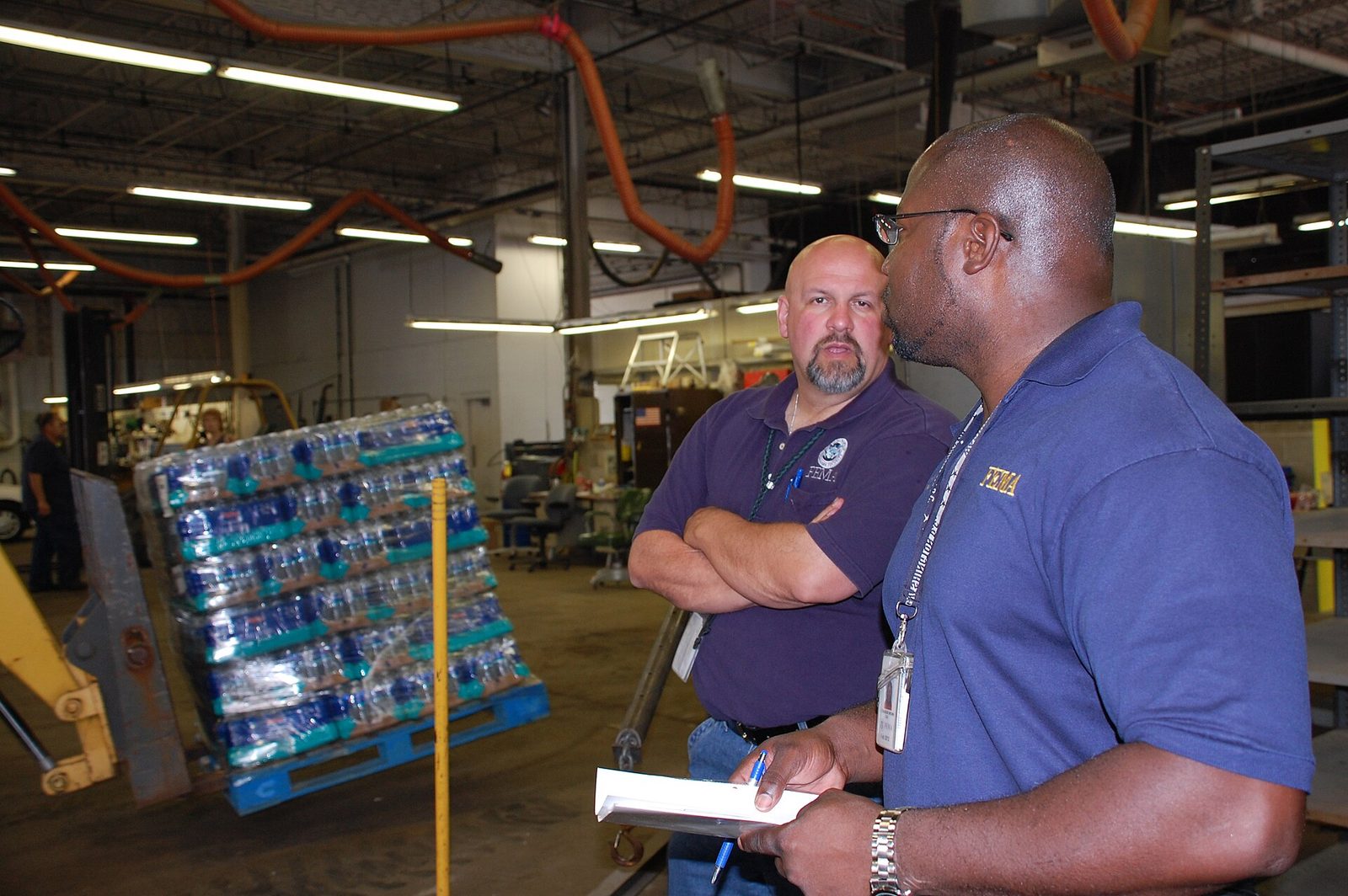
Featured image: FEMA – 44998 – Pallets of Bottled Water in Iowa, by Leo ‘Jace’ Anderson. Public domain, via Wikimedia Commons. See all image credits.