


Quick take
- Watts (output) decide what you can plug in. Watt-hours (capacity) decide how long it runs.
- About 1,000Wh keeps phones, lights, a router and a refrigerator going for part of a day. For a full day or more of fridge power, look at 2,000 to 3,200Wh.
- In a multi-day outage, how you recharge (solar, wall, car) matters as much as size.
Prepared Dragon may earn a commission when you buy through links on this page, at no extra cost to you. As an Amazon Associate, Prepared Dragon earns from qualifying purchases. Current prices are always on the retailer’s page. Affiliate disclosure.
How to size a power station in two steps
- Add up the running watts of everything you want on at the same time (the label on each device lists watts or amps; watts = volts x amps). The power station’s continuous output rating must be higher than that total, and its surge rating must cover motors that kick on, like a refrigerator compressor.
- Add up the watt-hours per day. Multiply each device’s watts by the hours you’ll use it. Divide the power station’s rated capacity by that number, then plan on getting roughly 85% of the rating after conversion losses. That 85% is our planning estimate; real results vary by unit, temperature and load.
What size power station runs a refrigerator?
Look at the yellow EnergyGuide label on your refrigerator. It lists estimated yearly energy use in kWh. Divide by 365, then multiply by 1,000, to get watt-hours per day. A refrigerator rated at 600 kWh a year uses about 1,640Wh a day. The table uses that example and the 85% planning estimate.
| Rated capacity | Usable (est. 85%) | Runs a 1,640Wh/day fridge about | Examples in our store |
|---|---|---|---|
| 292Wh | ~250Wh | Not a fridge unit. Phones, lights, radio | Jackery Explorer 300 |
| 1,024 to 1,152Wh | ~870 to 980Wh | 13 to 14 hours | EcoFlow DELTA 3, BLUETTI Elite 100 V2, ALLPOWERS P1800, BLUETTI AC180, Jackery Explorer 1000 v2 (1,070Wh) |
| 1,451 to 1,920Wh | ~1,230 to 1,630Wh | 18 to 24 hours | ALLPOWERS S2000 Pro, ALLPOWERS R2500 V2 |
| 2,560 to 3,168Wh | ~2,180 to 2,690Wh | 32 to 39 hours | BLUETTI Apex 200 (expandable), ALLPOWERS R3500 |
A refrigerator cycles on and off, so a closed door and a full fridge stretch these numbers. Adding a freezer, a CPAP or a space heater shortens them fast. Electric space heaters draw so much power that a portable battery runs one only briefly.
Picks by job
Phones, lights and a radio
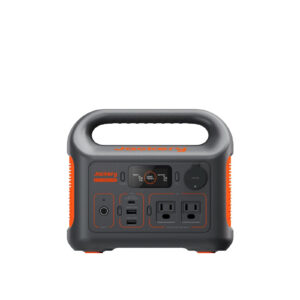
Jackery Explorer 300 Portable Power Station, 292Wh
A compact 292Wh portable power station for charging phones, lights and small devices during an outage or trip.
See price at Amazon
Anker Zolo 20,000mAh 30W Power Bank
A 20,000mAh Anker Zolo power bank with a built-in USB-C cable for several phone charges during an outage or trip.
See price at AmazonRefrigerator for part of a day (about 1,000Wh)
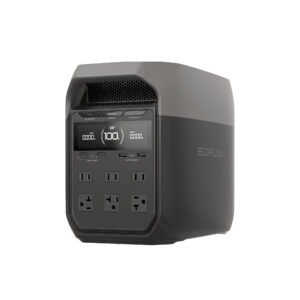
EcoFlow DELTA 3 Portable Power Station, 1024Wh
A 1,024Wh LiFePO4 portable power station with 1,800W AC output, for home backup and travel.
See price at Amazon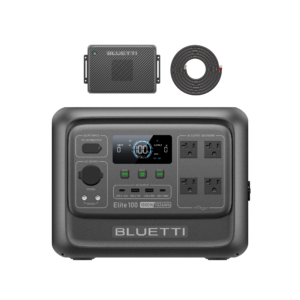
BLUETTI Elite 100 V2 Portable Power Station, 1,024Wh
A compact BLUETTI portable power station for home backup and short trips off-grid.
See details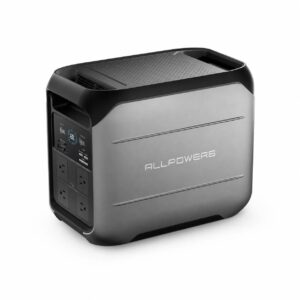
ALLPOWERS P1800 Portable Power Station, 1024Wh 1800W
A 1,024Wh portable power station that ALLPOWERS rates at 1,800W AC output.
See price at ALLPOWERS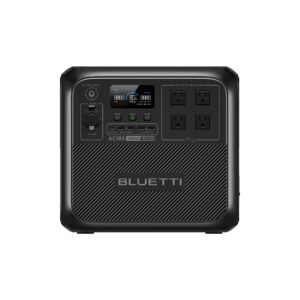
BLUETTI AC180 Portable Power Station, 1152Wh
A 1,152Wh LiFePO4 portable power station with 1,800W AC output, for short outages, travel and charging devices.
See price at BLUETTI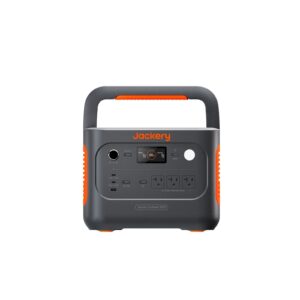
Jackery Explorer 1000 v2 Portable Power Station, 1070Wh
A 1070Wh portable power station for running phones, lights, radios and a fridge during outages. A compatible solar panel is sold separately.
See price at AmazonA full day or more
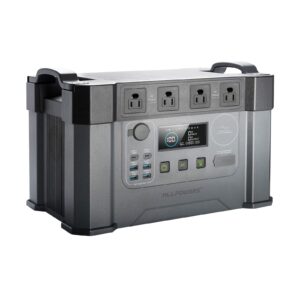
ALLPOWERS S2000 Pro Portable Power Station, 2400W 1451Wh
A portable power station that ALLPOWERS rates at 1,451.5Wh capacity and up to 2,400W pure sine wave output.
See price at ALLPOWERS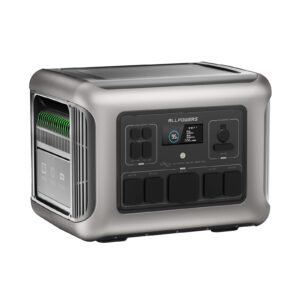
ALLPOWERS R2500 V2 Portable Power Station, 2500W 1920Wh
A 1,920Wh portable power station that ALLPOWERS rates at 2,500W AC output.
See price at ALLPOWERS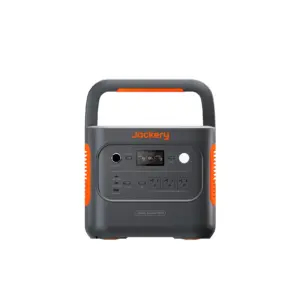
Jackery Explorer 2000 v2 Portable Power Station
A Jackery portable power station for backup power at home or off-grid.
See price at AmazonHome backup
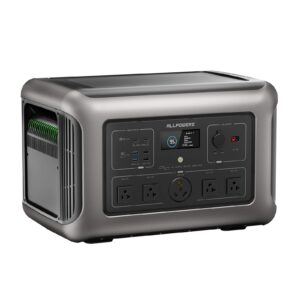
ALLPOWERS R3500 Home Backup Power Station, 3200W 3168Wh
A 3,168Wh home-backup power station that ALLPOWERS rates at 3,200W output.
See price at ALLPOWERS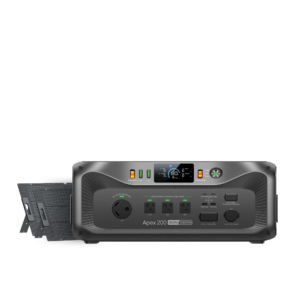
BLUETTI Apex 200 Expandable Power Station, 2,560Wh
A 2,560Wh LiFePO4 expandable power station for home backup and RV use.
See price at BLUETTISolar panels for recharging
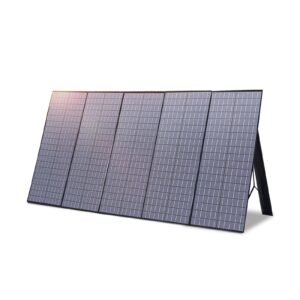
ALLPOWERS 400W Foldable Solar Panel SP037
A 400W foldable solar panel that ALLPOWERS states can charge compatible solar generators.
See price at ALLPOWERS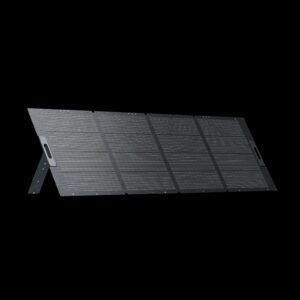
BLUETTI 350W Solar Panel
A 350W BLUETTI solar panel for charging a compatible BLUETTI power station.
See price at BLUETTINew in the store
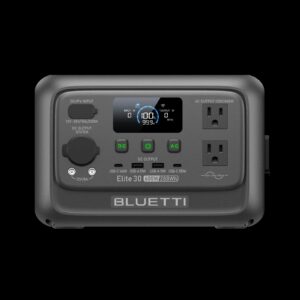
BLUETTI Elite 30 V2 Portable Power Station, 288Wh
A compact 288Wh portable power station that BLUETTI rates at 600W output, with 8 outlets and 10ms UPS switching.
See price at BLUETTI
Anker SOLIX C1000 Gen 2 Portable Power Station, 1,024Wh
A 1,024Wh portable power station that Anker rates at 2,000W output.
See price at Amazon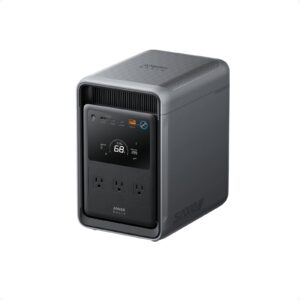
Anker SOLIX S2000 Portable Power Station, 2,010Wh
A 2,010Wh portable power station that Anker rates at 1,500W continuous output, with eight outlets and under-10ms UPS switching.
See price at Amazon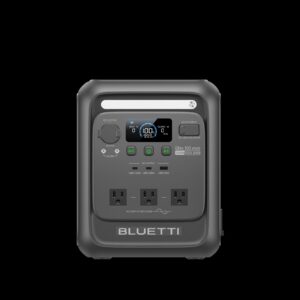
BLUETTI Elite 100 mini Portable Power Station, 1,004Wh
A compact 1,004Wh portable power station that BLUETTI rates at 700W output, with 9 ports and 10ms UPS switching.
See price at BLUETTIPower station or generator?
A power station has no engine and no exhaust, so it can sit in the kitchen next to the fridge. It’s quiet and needs no fuel, but once it’s drained you need sun, a working outlet or a car to refill it. A gas or propane generator makes far more power for as long as you have fuel, but it’s loud and must run outdoors, well away from doors and windows. The CDC’s rule still applies: generators stay outside.
- What each does well. A power station is silent, indoor-adjacent battery power for a fridge, Wi-Fi, lights, a router or a CPAP. A dual-fuel portable generator is hours of higher-watt 120/240V fuel power for well pumps, central air or a transfer switch feeding more of the panel.
- Fuel and charging. Power stations refill from the wall, a car or solar. Generators need gasoline or propane on hand; gasoline goes stale in storage, so use stabilizer as the maker directs, or lean on propane.
- Noise, permits and carbon monoxide. Battery units make no exhaust. Generators need outdoor placement, clearance and, if you wire one into the house, a transfer switch installed by a licensed electrician. Never backfeed a dryer or wall outlet.
- A simple path. Start with a power station for indoor essentials. Add a dual-fuel portable if you need 240V or multi-day runtime that solar and a wall outlet can’t cover. If you want automatic whole-home backup, compare portable and standby generators in the standby vs portable section of the dual-fuel guide.
Compare portable dual-fuel units, including the quiet Honda EU2200i for small loads, in our dual-fuel generator guide. Current offers stay on each product page; this guide does not list prices.
Note: the EcoFlow DELTA 3 Plus listing in our store is the 1024Wh station sold with an extra battery, not the station alone, so it is not grouped with the single-unit picks above.
Safety and setup
- Follow the maker’s instructions for indoor use, charging and storage.
- Wiring a power station into your home’s circuits takes a transfer switch or the maker’s home-backup kit, installed by a licensed electrician. Never backfeed through a dryer or wall outlet.
- Charge it before storm season and top it off every few months.
More winter help: Texas winter storm buy list · Winter gear · Power outage preparedness
Common questions
What is the best portable power station for home backup?
For most homes, pick by capacity first. Around 1,000Wh (EcoFlow DELTA 3, BLUETTI Elite 100 V2, ALLPOWERS P1800, Jackery Explorer 1000 v2) keeps phones, lights, a router and a refrigerator going for part of a day. For a full day or more of refrigerator power, look at roughly 2,000 to 3,200Wh (ALLPOWERS R2500 V2 or R3500, BLUETTI Apex 200) and a way to recharge with solar.
What size power station do I need to run a refrigerator?
Find the yearly kWh on the refrigerator's yellow EnergyGuide label, divide by 365 and multiply by 1,000 to get watt-hours per day. A 600 kWh-per-year fridge uses about 1,640Wh a day. Plan on getting roughly 85% of a power station's rated capacity after conversion losses (an estimate; it varies by unit and load), so a 1,024Wh unit runs that fridge for about 13 hours and a 3,168Wh unit for about 39 hours. The inverter also has to handle the compressor's start-up surge, so check the maker's surge rating.
Can I use a power station indoors?
Yes. A battery power station has no engine and makes no exhaust, so it can be used indoors when you follow the maker's instructions. A gas or propane generator is different: it must run outdoors, away from doors and windows.
Can a power station power my whole house?
Most portable units run selected appliances plugged into them. Wiring one into your home's circuits needs a transfer switch or the maker's home-backup panel kit, installed by a licensed electrician. Never backfeed a dryer outlet.
Power station or generator?
A power station is quiet, safe indoors and needs no fuel, but it runs out unless you recharge it. A dual-fuel generator makes far more power for as long as you have fuel, but it is loud and must run outdoors. Many households keep both. See our dual-fuel generator guide.